Search across surgical specialties, instrument families and product codes.
CARDIOVASCULAR & THORACIC INSTRUMENT SOURCING
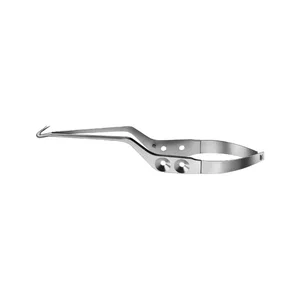
Browse clamps, forceps, scissors, needle holders, retractors and related patterns for cardiovascular and thoracic procedures. Send your instrument list, preferred sizes, quantities and documentation requirements for a tailored quotation.
BROWSE BY INSTRUMENT TYPE
Use the links below to compare named patterns and available configurations. Confirm the exact profile, length and working end against your approved instrument list before ordering.
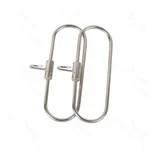
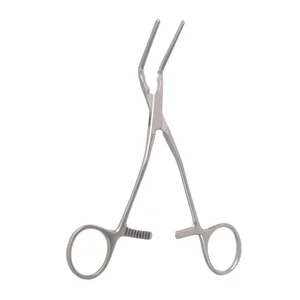
Explore Satinsky, Cooley, DeBakey, bulldog and aortic clamp patterns. Compare jaw profile, curvature and overall length for your intended application.
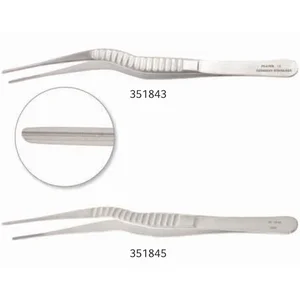
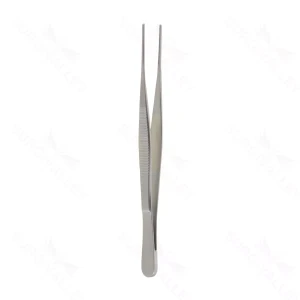
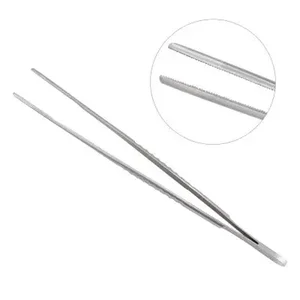
Browse DeBakey, Gerald, Cooley and related forceps patterns. Check the tip pattern, working length and handle style against your department requirements.
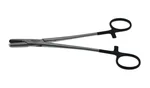
Compare Castroviejo, Ryder and other needle-holder patterns by length, handle, jaw profile and insert requirements.
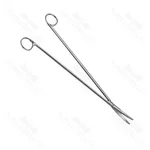
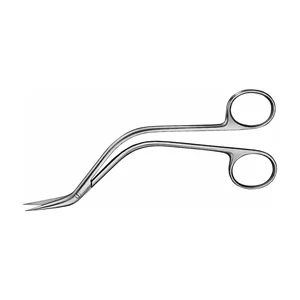
Review Potts, Dietrich, Metzenbaum and micro scissors in straight and angled configurations. Specify the blade angle and length required.
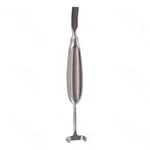
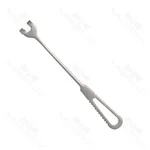
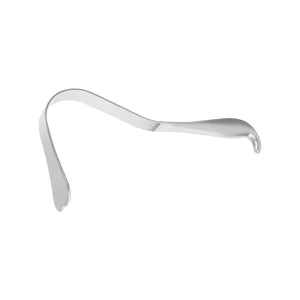
Browse rib spreader, sternal retractor and coronary retractor patterns. Include blade size, frame dimensions and preferred configuration in your enquiry.
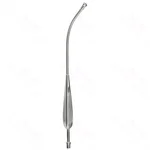
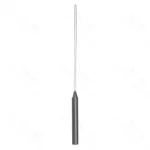
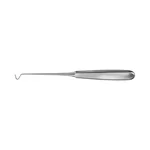
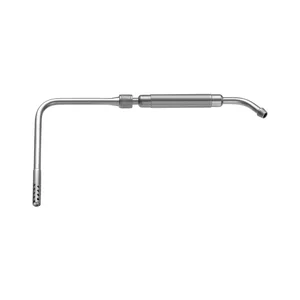
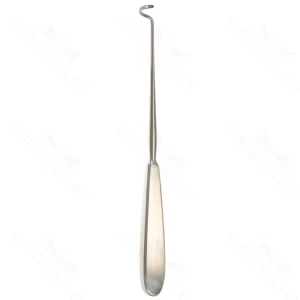
Review Garrett, Bakes and related dilator, probe and ligature-carrier patterns. Specify diameter, graduation and length where applicable.
$14.99 $15.95
Organize requirements by procedure, tray or department, and identify any standardization needs across rooms or teams.
Include the target market, quantities, packaging format and any brand or documentation requirements that need review.
Confirm the preferred named pattern, dimensions, curvature, working end and any accepted equivalent references.
Separate training-lab requirements from instruments intended for clinical use and state the required quantities clearly.
PROCUREMENT CHECKLIST
Provide the instrument name, catalog reference, drawing or a clear reference image.
State overall length, working-end size, curvature, angle and handle style where relevant.
List quantities per item and show how instruments should be grouped into trays or sets.
Note any material, surface finish or insert requirements that form part of your specification.
Describe labeling, packaging, marking or private-label needs for review with the quotation.
Identify the certificates, declarations or product documents your market or procurement process requires.
Send the list in your preferred format. Include quantities, named patterns, dimensions and any acceptable equivalents so the team can review the request accurately.
Share item references, descriptions, quantities and any supporting files.
Resolve missing dimensions, variants, documentation and packaging details before pricing.
Check the quoted references, quantities, commercial terms and any stated lead time.
Approve the final specification and order details through the quotation process.
Send a catalog reference, drawing or clear image and ask the team to confirm an available match or whether a custom-manufacturing option can be quoted.

 中文 (中国)