 English


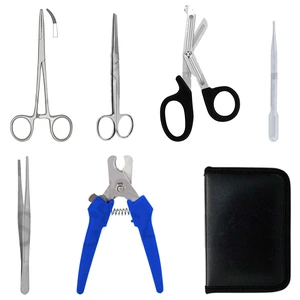
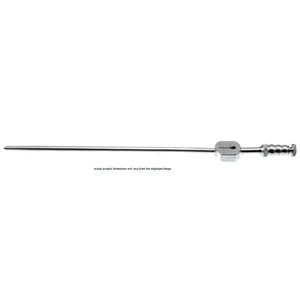
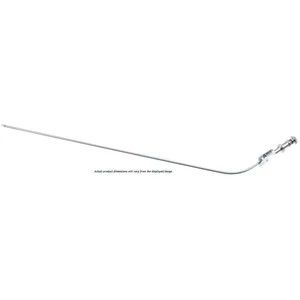
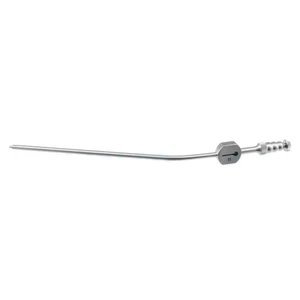
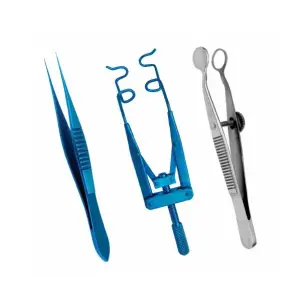
Pets First Aid Instruments Kit
SV-AU-SET-2012
$133.33
Add to CartSearch across surgical specialties, instrument families and product codes.
Reusable surgical scissors need more than a successful steam cycle. Their condition after processing depends on how soils are removed, how residues are rinsed away, how instruments are positioned and dried, and whether the reprocessing workflow has been validated for the device. A cycle temperature such as 134°C should therefore be treated as one part of a controlled process, not as a universal guarantee against corrosion or damage.
This guide focuses on surgical scissors passivation, pitting corrosion prevention and post-cycle inspection. It separates routine reprocessing from supplier-specific treatment claims and helps clinical teams decide when to clean and monitor an instrument, when to request technical review, and when corrosion or edge damage makes removal more appropriate.
Pitting is a localized form of corrosion that can create small cavities in a metal surface. On surgical scissors, it may be associated with retained soil, surface deposits, chloride contamination, unsuitable water quality, damaged surfaces or contact with corrosive materials during handling and processing. Repeated exposure can make a minor defect harder to assess and may affect cleaning access, appearance or mechanical function.
The visible mark is not always the original cause. Brown or discoloured deposits may sit on the surface without representing a pit, while a true pit may remain after superficial staining is removed. Teams should avoid diagnosing the cause from colour alone. The useful response is to record where the change appears, review the reprocessing conditions and escalate uncertain findings through the facility's instrument service or quality process.
Cleaning must precede steam sterilization. Organic soil and chemical residue can shield surfaces, interfere with effective processing and contribute to deposits or corrosion. Follow the instrument manufacturer's validated instructions and the healthcare facility's approved reprocessing procedure for disassembly, opening, cleaning method, detergent use and equipment settings. Scissors should be handled in a way that allows the joint and blade surfaces to be reached without forcing or damaging the instrument.
Rinsing and drying deserve the same attention as washing. Residual chemicals, salts or moisture can remain around the box lock, joint and blade junction, where they may become more apparent after a cycle. Avoid assuming that a visually clean instrument is chemically clean. If a recurring mark appears, document the product and process used, the stage at which it was observed and whether other instruments in the load show similar changes.
Can surgical scissors be sterilized safely at 134°C? They may be suitable for a 134°C steam cycle when the specific instrument, packaging arrangement, load configuration and sterilizer process are covered by validated instructions. Temperature by itself does not establish a safe or effective cycle. Clinical teams should follow the device manufacturer's instructions for use, the sterilizer manufacturer's requirements and the facility's validated reprocessing protocol.
A steam cycle also cannot compensate for inadequate cleaning, trapped moisture, overloading, unsuitable packaging or poor instrument positioning. After processing, allow the load to complete the approved drying and cooling stages before handling. If wet packs, deposits, discolouration or repeated corrosion are observed, hold the affected items according to local policy and investigate the process rather than simply repeating the cycle.
The practical question is not whether 134°C is inherently safe for every pair of scissors. It is whether the complete, documented workflow has been validated for that instrument and is being performed consistently. Supplier guidance should be specific to the device and should not be replaced by a generic claim that all stainless-steel scissors tolerate the same conditions.
| Workflow point | What to verify | Why it matters |
|---|---|---|
| Instrument instructions | Cleaning, lubrication, packaging and cycle compatibility | Confirms that the scissors and process are considered together |
| Load preparation | Opening, positioning, separation and protection of blades | Supports access, drainage and protection from contact damage |
| Sterilizer process | Approved cycle, loading practice, monitoring and drying | Shows that 134°C is part of a validated process rather than a standalone setting |
| Post-cycle condition | Dryness, deposits, staining, corrosion and function | Identifies problems before the scissors return to service |
Passivation is a surface-treatment concept used for suitable stainless-steel instruments, but it should not be treated as an automatic remedy for every discolouration or corrosion mark. Whether it is appropriate depends on the instrument material, surface condition, treatment method and supplier or service-provider instructions. A facility should use a qualified, documented process rather than applying an unverified chemical treatment to reusable scissors.
Passivation may be considered after the underlying source of contamination or processing damage has been addressed and the instrument has been assessed as suitable for treatment. It does not restore missing metal, close established pits, rebuild a damaged cutting edge, correct misalignment or replace a worn box lock. Treatment claims should therefore be separated from functional inspection and from any decision to return an instrument to service.
A supplier or instrument service should define what the proposed treatment is intended to address, what it cannot address and how the scissors will be inspected afterward. If the surface has deep pits, roughness near the blades, impaired movement or questionable integrity, replacement or formal technical evaluation may be more appropriate than repeated treatment.
Inspection should occur under suitable lighting and before the scissors are returned to a sterile set or storage location. Look at the blades, tips, joint, box lock, handles and any areas where moisture or residue may collect. Check for pits, deposits, staining, roughness, cracks, burrs, tip damage, restricted movement and blade alignment. Functional checks should follow the manufacturer's instructions and facility policy; do not use a damaged instrument simply because it opens and closes.
A practical record can connect the finding to the load, cleaning process, instrument identification and action taken. Patterns matter. One isolated mark may require assessment, while similar findings across a tray or repeated findings after different cycles may point to water quality, detergent concentration, rinsing, drying, load arrangement or contact with another material. The objective is to prevent recurrence and protect patients and staff, not merely to improve appearance.
Remove or quarantine an instrument when the facility's criteria identify pitting, edge damage, structural concern, impaired function or uncertain cleanliness. Replacement decisions should consider whether the defect can affect safe handling, cleaning, inspection or intended performance. When the answer is unclear, obtain technical review rather than relying on visual reassurance.
Preventing pitting corrosion on surgical scissors depends on the complete reprocessing system: prompt cleaning, suitable rinsing, controlled drying, validated steam sterilization, careful handling and consistent inspection. A 134°C cycle may be appropriate within that system, but the temperature alone does not validate the process or guarantee instrument condition.
Passivation can be considered only after the cause and condition have been assessed, and it should not be presented as a repair for pits or damaged cutting edges. Clinical teams should use their approved instructions, document recurring findings and escalate instruments that fail cleanliness, surface or functional criteria before they return to service.
They may be compatible with a 134°C steam cycle when the specific scissors and complete reprocessing workflow are covered by validated instructions. Compatibility depends on cleaning, loading, packaging, exposure, drying and monitoring, not temperature alone. Follow the instrument and sterilizer instructions and the facility's approved process.
Possible contributors include retained soil, chloride or chemical residues, unsuitable water, damaged surfaces, trapped moisture and contact with incompatible materials. The visible mark may be a deposit rather than a pit, so teams should assess the surface, review the process and document recurring patterns instead of inferring the cause from colour alone.
Passivation should not be treated as a repair for missing metal, established pits, damaged edges, misalignment or worn joints. It may be considered for a suitable instrument after the underlying process problem has been addressed and the material and treatment are confirmed. A qualified service or technical function should define suitability and inspect the instrument afterward.
Remove or quarantine scissors when they have pits, roughness, cracks, damaged tips, impaired movement, questionable cleanliness or cutting-edge defects that fail facility criteria. Repeated staining or corrosion also warrants process review. If the finding cannot be classified confidently, hold the instrument and obtain technical assessment before returning it to a set.
Oct 07, 2026 by James Bennett
Oct 04, 2026 by Dr. Tariq Mahmood