 English


Orthopedic Hand Instruments: Ergonomic Rongeurs, Osteotomes, and Bone Holding Clamps
A procurement guide to the specification, handling demands, inspection and set planning of common reusable orthopedic hand instruments.
Reviewed for private surgical clinics, aesthetic centers, and outpatient practitioners across the USA, EU, UK, and international markets.
On this page (11)
- What this guide covers
- Why orthopedic instruments need precise specifications
- Rongeurs and bone-cutting forceps
- Osteotomes, chisels and gouges
- Bone-holding forceps and clamps
- Mallets and impact surfaces
- Inspection, transport and replacement planning
- Frequently asked questions
- Putting the guidance into practice
- References and further reading
- Need a specification-based quotation?
Orthopedic hand instruments perform different mechanical roles, so rongeurs, osteotomes, bone forceps and mallets should not be grouped under a vague “bone instruments” line. Each family needs its own measurable description.
This guide helps buyers separate cutting, holding and impact instruments, then record dimensions, working surfaces and inspection expectations for samples and repeat orders.
Why orthopedic instruments need precise specifications
Orthopedic patterns can look robust while differing at the feature that controls acceptance. Use article references, dimensions and working-end descriptions rather than a broad family name.
Rongeurs and bone-cutting forceps
For rongeurs and bone-cutting forceps, record jaw profile, bite orientation, opening, length and mechanism. Inspect jaw relationship and movement against the approved product record.
Osteotomes, chisels and gouges
Osteotomes, chisels and gouges require width, profile, curvature where applicable, overall length and handle configuration. Keep differently shaped working edges on separate lines.
Bone-holding forceps and clamps
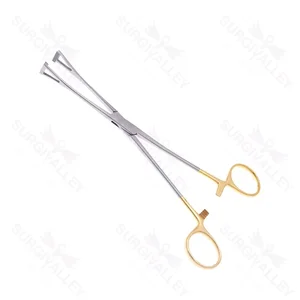
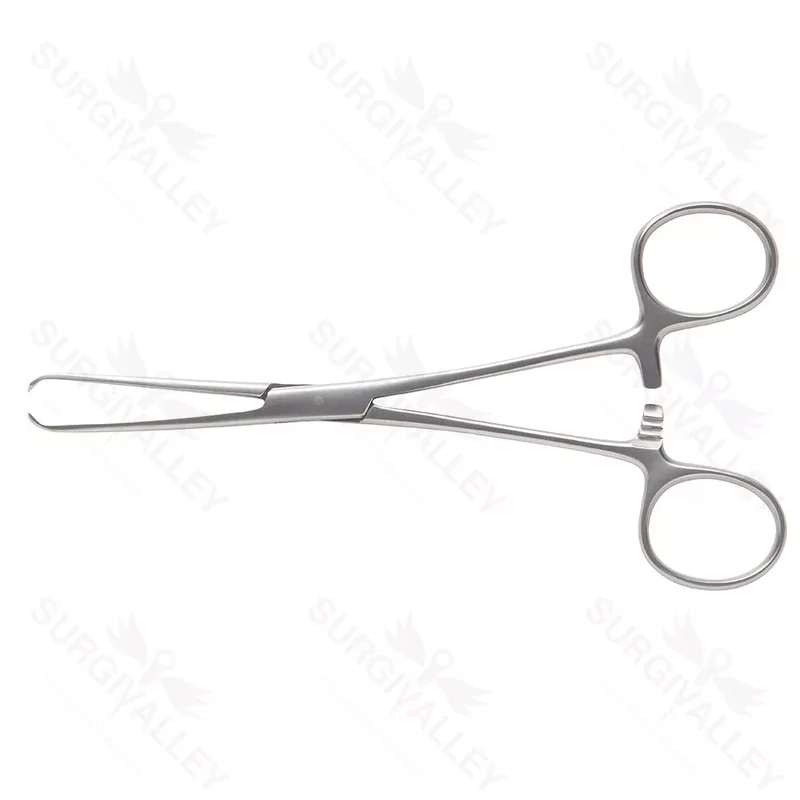
Bone-holding forceps and clamps should be identified by jaw form, locking mechanism, curve and size. Confirm how the requested pattern will be distinguished during incoming inspection.
Mallets and impact surfaces
For mallets, state head form, face material or construction when documented, weight or dimensions where required, and handle configuration. Do not infer these characteristics from appearance alone.
Inspection, transport and replacement planning
Plan transport and tray positions so heavy instruments do not damage edges or lighter components. Retain inspection and replacement criteria for working ends, joints and impact surfaces.
Frequently asked questions
Can orthopedic hand instruments share one RFQ description?
No. Separate rongeurs, osteotomes, holding forceps and mallets because their acceptance features differ.
Which osteotome details should be stated?
Record width, edge profile, curvature where applicable, length and handle configuration.
What should an incoming inspection compare?
Compare the delivered article with the approved reference, dimensions, working-end form, mechanism and visible condition.
Putting the guidance into practice
A family-by-family specification makes an orthopedic instrument list easier to quote and inspect.
Keep working-end dimensions, approved samples and tray-protection decisions attached to the set revision.
References and further reading
Continue with Orthopedic Instruments by Family
Use the specialty hub to browse relevant instrument families, live catalogue links and the quote pathway.
Claire Hastings
Outpatient Clinic Procurement & Sample Evaluation Specialist
Reviewed for private surgical clinics, aesthetic centers, and outpatient practitioners across the USA, EU, UK, and international markets.