
 English


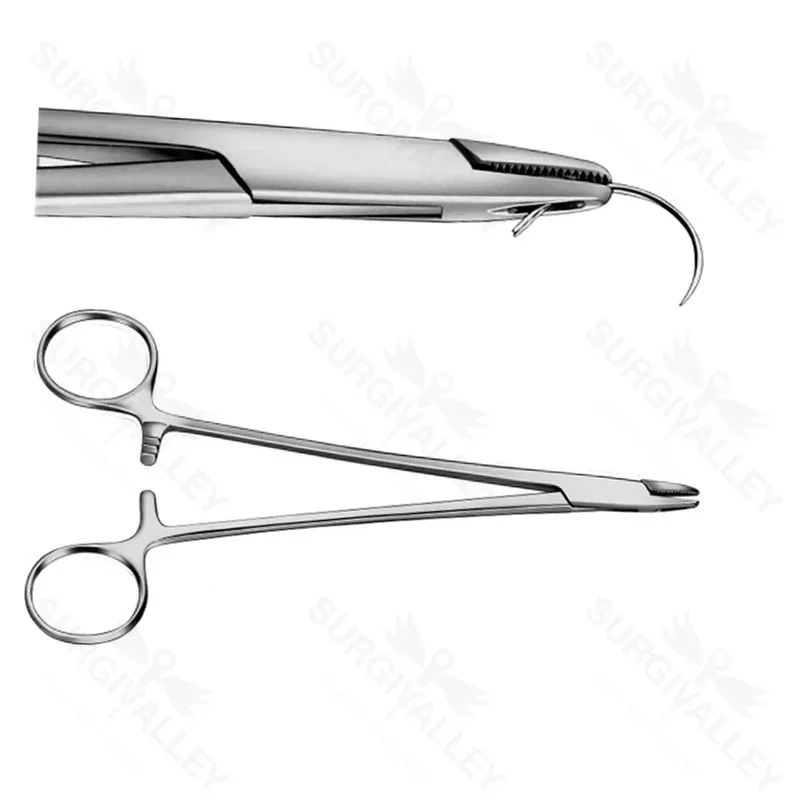
Surgical Instrument Sizing & Grip Ergonomics: Finding the Perfect Fit for Surgeon Hands
A practical specification framework for recording surgical instrument size, working-end geometry, handle style and mechanism without ambiguity.
Search across surgical specialties, instrument families and product codes.
A practical specification framework for recording surgical instrument size, working-end geometry, handle style and mechanism without ambiguity.
An evidence-controlled method for comparing established instrument families by documented geometry, mechanism, configuration and inspection criteria.
A practical method for normalizing set lists, identifying substitutions and comparing surgical instrument set quotations line by line.
A buyer-oriented checklist for discussing quality, product, labeling, registration and market documentation with an instrument supplier.
Follow a disciplined OEM instrument-development path from requirements and drawings through samples, verification, change control and production.
Compare reusable and single-use instrument programs using acquisition, processing, inventory, waste, availability and risk considerations.
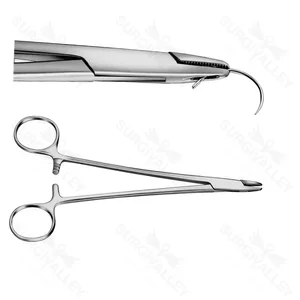
Compare American and English pattern dental extraction forceps by handle orientation, hinge geometry, beak design and catalog specification.
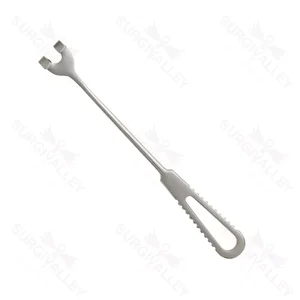
Plan ENT instrument sets around the requested procedure, surgeon preference, tray capacity, inspection needs and replacement strategy.
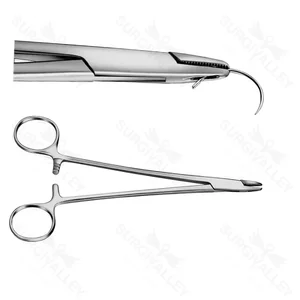
A field-by-field RFQ guide for obtaining comparable surgical instrument quotations with fewer assumptions, revisions and sourcing delays.
A practical inspection workflow for distributors and procurement teams reviewing surgical instrument samples before approving a production order.